







U.S. House of Representatives Approves to Restrict Military Action Against Iran
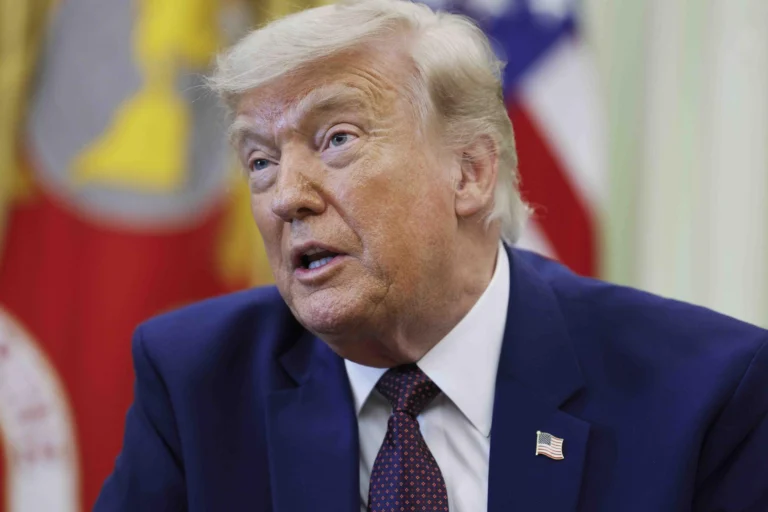
The vote resulted from four Republicans (Brian Fitzpatrick of Pennsylvania; Thomas Massie of Kentucky; Tom Barrett of Michigan; and Warren Davidson of Ohio) uniting to the cause of the Democratic Party, revealing a change of heart in Trump’s own environment. Photo: EFE.
June 3, 2026 Hour: 9:31 pm
🔗 Comparte este artículo
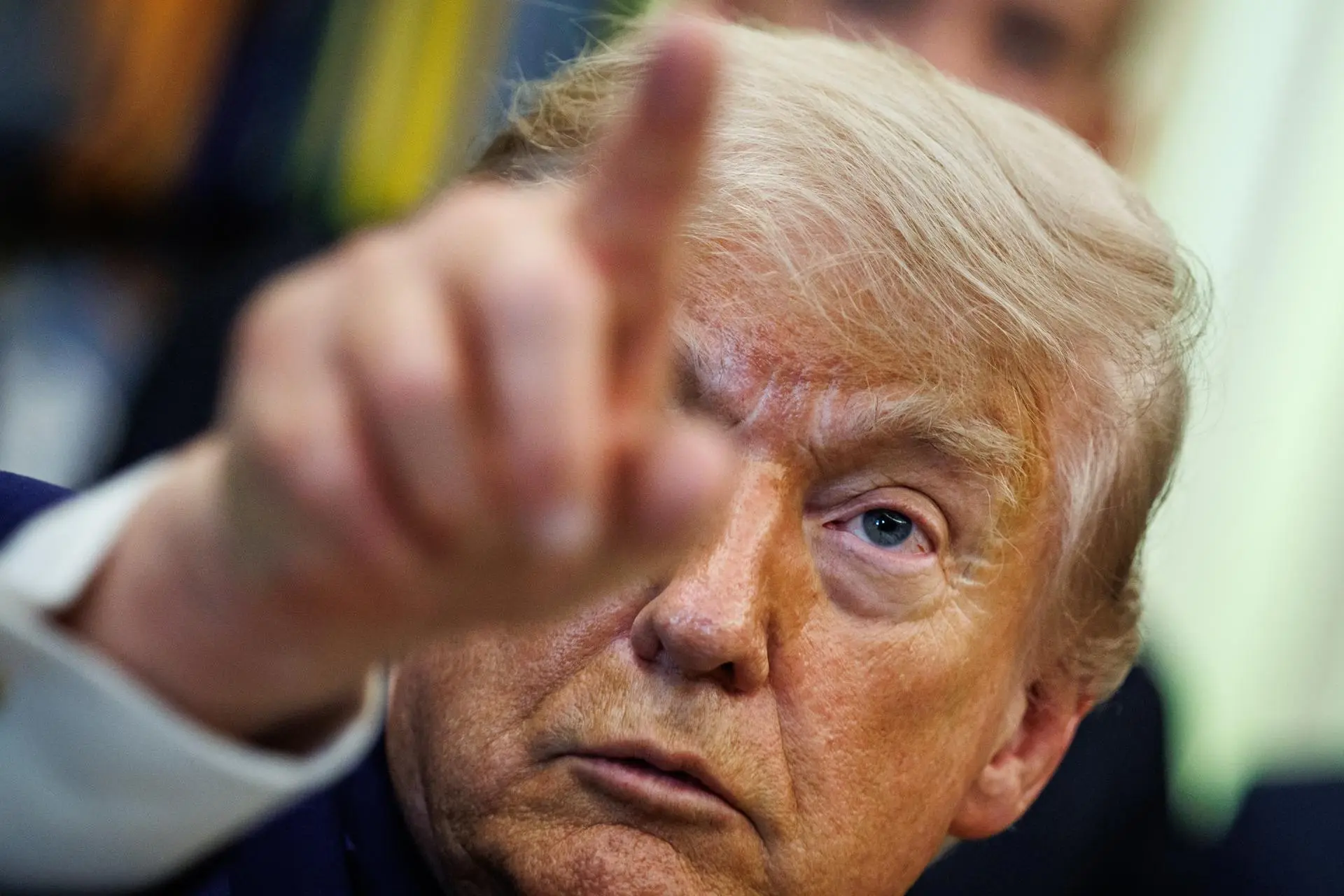
The U.S. House of Representatives approved on June 3 a resolution to restrict the military operations of President Donald Trump against Iran, which needs a final approval by Senate.
The legislative initiative, passed on Wednesday with a 215-208 vote, represents the fourth attempt by the lower chamber to halt the military conflict.
The measure relies directly on the War Powers Resolution of 1973, a federal law requiring explicit congressional authorization to sustain prolonged foreign hostilities, forcing a crucial decision in the Senate while inflation and energy costs rise across the country.
RELATED: U.S. In Talks to Expand Nuclear Weapons Deployments in Europe
Democratic representatives argued that the current administration initiated the offensive without proper legislative approval, whereas the White House maintained that the President acted under his constitutional authority as commander-in-chief.
The approved document will now move to the United States Senate, where a similar measure was advanced in May when four Republican Senators aligned with Democrats.
The upper chamber has yet to issue a final approval or rejection of its own war powers initiative. If the Senate passes this new resolution, the bill will proceed directly to the Executive Power, forcing the President to choose between signing the limitation into law or issuing a formal veto to maintain current operations.
Severe Economic Consequences
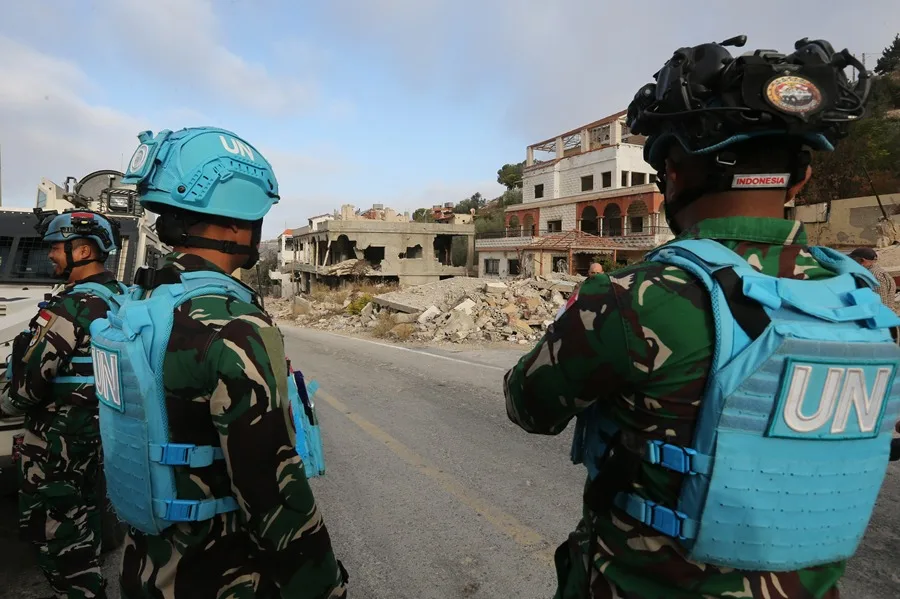
The conflict, which involves joint military operations by the United States and the Israeli regime against Iran, began on February 28. Since the start of this military campaign, U.S. citizens have faced a sharp increase in gasoline prices, which has intensified inflationary pressures on household budgets.
House Democrat Leader Hakeem Jeffries of New York emphasized the high costs of the ongoing military campaign, calling it a reckless and costly conflict. According to official statements from Jeffries, the unilateral offensive has already cost American taxpayers over 100 billion dollars and has ultimately weakened the international position of the country.
The ongoing debate highlights the division within the U.S. legislature regarding unilateral foreign interventions. As domestic opposition grows due to rising energy costs and the high financial toll of the war, the legislative battle over foreign policy authority between Congress and the presidency remains unresolved, leaving future military strategies in a state of deep political uncertainty.
Author: Laura V. Mor
Source: Agencies